


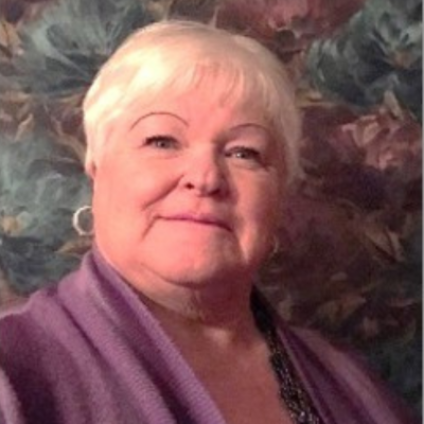
LaDonna Eriksen
CEO/Director of EducationConstruction Education ConsortiumLaDonna has been an educator all of her life with over 45 years of teaching experience in the classroom and educational programs. Her extensive knowledge of how the human body functions is what she attributes to her understanding of how correct design is invaluable to meeting the individual needs.
Her involvement with design and construction began in 1985 and she first worked with a Full Access home was in 1990 with a woman in a wheelchair.
Developing kitchens and bathrooms that meet the needs of today’s blended families and the functional changes that occur within those families is what she enjoys the most. She has established many outside-of-the-box solutions that make living easier for her clients including incorporating smart technology with classic design features.
LaDonna served on the NKBA Nebraska/Kansas Board for 11 years and is a Founding Partner of the Construction Education Consortium
Designing for Neurodiversity and Sensory Comfort
An estimated 15–20% of the global population is neurodivergent — including individuals with autism spectrum conditions, ADHD, dyslexia, sensory proce
…An estimated 15–20% of the global population is neurodivergent — including individuals with autism spectrum conditions, ADHD, dyslexia, sensory processing differences, and other neurological variations. For residential integrators, that translates t
… An estimated 15–20% of the global population is neurodivergent — including individuals with autism spectrum conditions, ADHD, dyslexia, sensory processing differences, and other neurological variations. For residential integrators, that translates to a massive, underserved market hiding in plain sight: clients and family members who live in homes that were never designed with their brains in mind.
The problem? Most smart home designs default to n
An estimated 15–20% of the global population is neurodivergent — including individuals with autism spectrum conditions, ADHD, dyslexia, sensory processing differences, and other neurological variations. For residential integrators, that translates to a massive, underserved market hiding in plain sight: clients and family members who live in homes that were never designed with their brains in mind.
The problem? Most smart home designs default to neurotypical assumptions. Complex touchscreen interfaces with dozens of options. Automation routines that fire unpredictably. Lighting scenes that shift without warning. For neurodivergent residents, these “features” aren’t conveniences — they’re barriers. They create sensory overload, erode predictability, and undermine the sense of safety and control that a home should provide.
This session equips integrators with practical, actionable strategies for designing neuroinclusive smart home environments. Attendees will learn how to specify sensory-friendly lighting with tunable white and flicker-free drivers, implement soundproofing and acoustic management for noise-sensitive residents, simplify user interfaces to reduce cognitive load, build routine-based automation sequences that prioritize reliability over novelty, and tailor environmental controls — HVAC, air purification, temperature zones — to individual sensory profiles.
But this isn’t just about doing the right thing. It’s smart business. Neuroinclusive design principles benefit all residents — the same techniques that help a child with autism also create calmer, more intuitive homes for every occupant. Integrators who embrace this approach differentiate themselves from competitors, unlock new referral channels through healthcare providers and occupational therapists, and position themselves for growth in accessibility-focused markets including assisted living and therapeutic environments.
This session bridges the gap between clinical understanding and technical implementation, giving integrators the vocabulary, frameworks, and confidence to consult with neurodivergent clients and their families — and to deliver homes that truly work for every brain.
CEDIA CEU Credit - 1
Show MoreClick the title to see all detailsShow More

Myth Busting & Delivering: Human Centric Lighting & Wellness
Homeowners are increasingly asking for “circadian lighting,” “human centric lighting,” or “healthy lighting”—but the marketplace is full of conflictin
…Homeowners are increasingly asking for “circadian lighting,” “human centric lighting,” or “healthy lighting”—but the marketplace is full of conflicting claims. This panel brings together lighting researchers, integrators, and manufacturers to debunk
…Homeowners are increasingly asking for “circadian lighting,” “human centric lighting,” or “healthy lighting”—but the marketplace is full of conflicting claims. This panel brings together lighting researchers, integrators, and manufacturers to debunk common myths and provide evidence based guidance. Panelists will explain the fundamentals of circadian effective lighting, discuss real world performance versus expectations, and outline practical des
…Homeowners are increasingly asking for “circadian lighting,” “human centric lighting,” or “healthy lighting”—but the marketplace is full of conflicting claims. This panel brings together lighting researchers, integrators, and manufacturers to debunk common myths and provide evidence based guidance. Panelists will explain the fundamentals of circadian effective lighting, discuss real world performance versus expectations, and outline practical design and installation strategies that work in residential environments. Attendees will leave with a clear understanding of how to deliver healthy home lighting solutions that are scientifically grounded, aesthetically pleasing, and technically achievable.
LEARNING OBJECTIVES
By the end of the session, attendees will be able to:
1. Differentiate fact from fiction regarding circadian lighting claims and marketing language.
2. Explain the science behind circadian effective lighting and its relationship to sleep, mood, and daily rhythms.
3. Identify practical design strategies for implementing tunable white, spectral tuning, and time based lighting schedules.
4. Evaluate products and platforms for accuracy, controllability, interoperability, and long term reliability.
5. Communicate realistic outcomes to clients and avoid overpromising results.
6. Leverage healthy lighting solutions as a business differentiator in the growing wellness focused home market.
CEDIA CEU Credit - 1
Show MoreClick the title to see all detailsShow MoreTechnology for the Homebound
This one hour educational presentation covers the technology ecosystem for homebound patients, including sensor networks, voice and switch access, env
…This one hour educational presentation covers the technology ecosystem for homebound patients, including sensor networks, voice and switch access, environmental controls, medication and fall monitoring, telehealth integration, and privacy preserving
…This one hour educational presentation covers the technology ecosystem for homebound patients, including sensor networks, voice and switch access, environmental controls, medication and fall monitoring, telehealth integration, and privacy preserving monitoring strategies. The session balances clinical goals (safety, adherence, independence) with installation realities (interoperability, wiring, power, network resilience) and includes real world c
…This one hour educational presentation covers the technology ecosystem for homebound patients, including sensor networks, voice and switch access, environmental controls, medication and fall monitoring, telehealth integration, and privacy preserving monitoring strategies. The session balances clinical goals (safety, adherence, independence) with installation realities (interoperability, wiring, power, network resilience) and includes real world case studies and retrofit vs. new build decision criteria. Evidence and design patterns from ambient assisted living research and industry practice inform recommended workflows.
CEDIA CEU Credit - 1
Show MoreClick the title to see all detailsShow More